Brooklyn Atlantic 24 Hour Locksmith Service Team
Local locksmith team
Jun 11, 2026 10 min read
You're standing on your stoop in Flatbush at 11 p.m., keys on the kitchen counter, door locked tight — and you need someone who can open it without turning your lock into scrap metal. That's the situation where understanding what a skilled locksmith actually does makes a real difference. Damage-free entry isn't magic; it's a set of practiced techniques built around working with the lock's own mechanics, not against them.
This article pulls back the curtain on exactly how a professional house lockout service works — what tools get used, why a mortise lock requires a different approach than a door knob lock, what happens during the visit, and how you can be confident the process is safe, legitimate, and leaves your door hardware fully intact when the job is done.
## What 'Damage-Free' Actually Means in a House Lockout
When most homeowners picture a locksmith opening a door, they imagine drilling. In reality, drilling is a last resort — it destroys the lock cylinder, which then has to be replaced. A trained locksmith's entire skill set is oriented toward avoiding that outcome. Damage-free entry means using manipulation techniques that operate within the lock's own mechanical tolerances: moving pins, discs, or levers the same way a correct key would, just without the key present. The result is a door that swings open and a lock that still works perfectly afterward.
The distinction matters because Brooklyn homes sit on a remarkably wide spectrum of hardware. A pre-war brownstone in Park Slope or Crown Heights often has a full mortise lock — a large rectangular cartridge mortised into the edge of the door with multiple locking points, levers, and a deadbolt integrated into one assembly. A newer build in Bay Ridge might have a standard cylinder deadbolt above a door knob lock. A co-op apartment in Prospect Heights could have a high-security Medeco or Mul-T-Lock cylinder. Each of these calls for a specific approach, and an experienced locksmith reads the hardware before touching a single tool.
## How a Locksmith Opens a Mortise Lock Without Breaking It
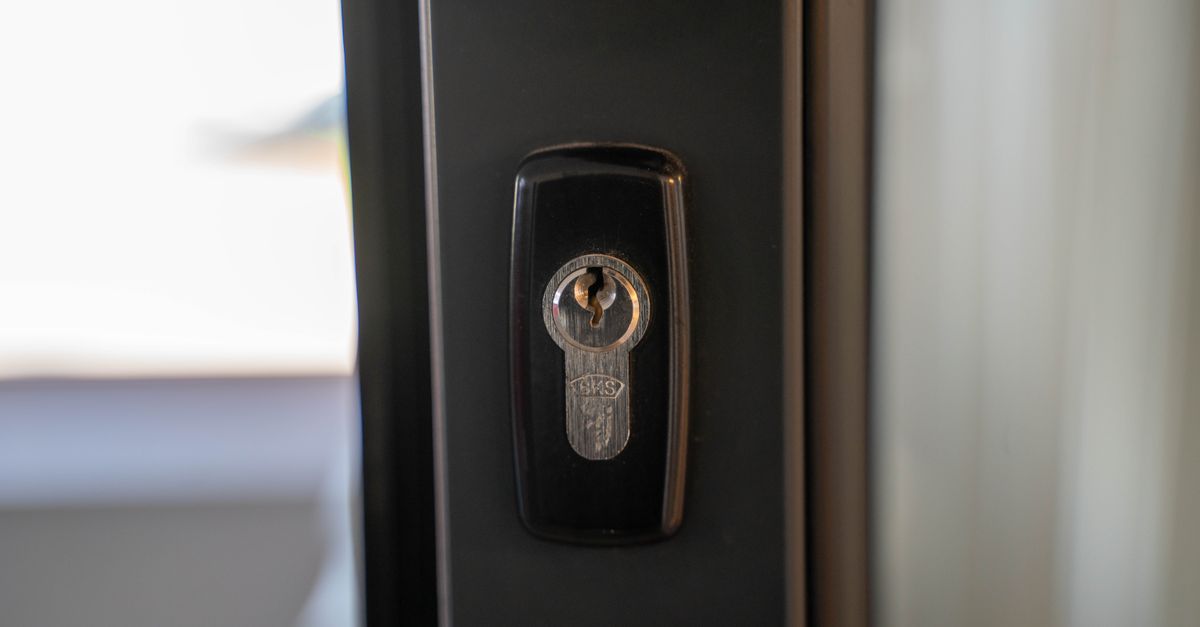
The mortise lock is one of the most common — and most misunderstood — pieces of door hardware in Brooklyn. Because it's built into the door rather than surface-mounted, it can look intimidating, but it's actually well-suited to non-destructive entry when handled by someone who knows its internal architecture. A mortise lock typically uses a profile cylinder (the section you insert the key into), and that cylinder responds to the same manipulation techniques used on other pin-tumbler locks: single-pin picking, in which each spring-loaded pin stack is set to the shear line one at a time, or raking, which uses a serrated tool to agitate multiple pins simultaneously and works well on locks with standard tolerances.
For high-security mortise cylinders with anti-pick features — side pins, spool drivers, or paracentric keyways — a skilled locksmith may use a technique called impressioning, where a blank key is inserted, marked, and filed incrementally until it operates the lock, or in some cases decoding with a specialized scope. None of these approaches damage the cylinder. The lock comes out of the process exactly as it went in. That's what you want: a door that opens tonight and a lock that still protects you tomorrow.
## Door Knob Locks, Deadbolts, and the Verification Step Every Legitimate Locksmith Takes
A standard door knob lock or a single-cylinder deadbolt — the kind found on millions of apartment doors across Bensonhurst, Canarsie, and Bushwick — is typically opened through picking or bypass depending on the specific model and condition. Shimming, for instance, can retract a spring latch on a knob lock without touching the cylinder at all. For a deadbolt, picking is usually the cleanest route. What makes this process different from something unauthorized is the verification step that comes first: before any tool comes out, a professional locksmith will ask for proof that you live there. A photo ID matching the address, a utility bill, a lease agreement, a piece of mail — something that ties you to that door. This is non-negotiable, and it's what separates a legitimate emergency house lockout response from an intrusion.
If you're ever in a house lockout situation and the technician arriving at your door doesn't ask for any identification, that's a red flag. Our team at Brooklyn Atlantic always verifies ownership or residency before beginning work — it protects you, it protects the property, and it's simply the right way to operate. Once verification is complete and your exact up-front price is confirmed before any work begins, the technical process starts. You'll see the tools, you can watch the process, and you'll know exactly what's happening to your lock.
## Emergency Locksmith Response: What Happens from Your Call to the Open Door
When you call 718-841-7602 for an emergency house lockout, the process is straightforward. You describe the situation — your address, the type of door (front door, back door, garage entry), and any details you know about the lock hardware. That information lets the technician arrive prepared with the right tools rather than discovering the lock type on the doorstep. Brooklyn's density means our mobile units are already dispersed across the borough, so response times to neighborhoods like Sunset Park, East Flatbush, or DUMBO are tight even in the middle of the night.
On arrival, the technician examines the door, confirms the lock type, completes the ownership verification, and walks you through the exact quote. That quote accounts for the specific factors that influence the final price: the type of lock (a basic door knob lock versus a multi-point mortise lock involves different labor), the time of day (overnight and weekend calls reflect after-hours availability), travel distance to your location, and whether any parts — a damaged cylinder, a broken key extracted from the lock — need to be replaced. No surprises, no add-ons after the door opens. You agree to the number first. Then we get to work. Most non-destructive entries take between five and twenty minutes once the technician is at the door. If you'd like, call us now at 718-841-7602 — we answer every hour of every day.
Our team handles a wide range of residential and commercial situations across Brooklyn, including: residential house lockouts, apartment lockouts, mortise lock opening and servicing, door knob lock bypass and replacement, deadbolt picking and rekeying, high-security cylinder opening (Medeco, Mul-T-Lock, Schlage), broken key extraction, lock rekeying after a lockout, lock replacement and upgrade, master key system installation, peephole installation, door reinforcement hardware, mailbox lock service, garage door lock service, sliding door lock repair, window lock installation, smart lock installation and programming, keypad lock setup, commercial locksmith services for storefronts and offices, commercial mortise lock installation and service, panic bar and exit device service, safe opening and combination changes, car lockout service, automotive key duplication, transponder key programming, and emergency board-up coordination after forced entry by others.
## How Much Does a Locksmith Cost in Brooklyn — and What Drives the Price?
These are the questions we hear constantly: How much does a locksmith cost in Brooklyn? How much do locksmiths charge on average? How much should an emergency locksmith cost? And the honest answer is that no responsible locksmith can give you a meaningful number before knowing what they're dealing with. Anyone who quotes you a flat rate over the phone without knowing your lock type, your location, or whether it's 2 p.m. or 2 a.m. is setting you up for an unpleasant surprise at the door.
The factors that shape the final quote are predictable and fair: the complexity of the lock (a basic door knob lock costs less labor than a multi-point mortise lock), the time of day and day of week (emergency overnight availability has a different cost structure than a midday call), the distance our technician travels to reach you, and whether parts are needed — a new cylinder, a replacement key, a rekeyed lock core. We confirm the exact price before touching anything. There's no ambiguity. Questions like 'Who is the cheapest locksmith?' or 'How much does an emergency locksmith cost near me?' often lead homeowners toward services that advertise low rates and then inflate the bill at the door. Our approach is the opposite: one clear number, agreed on before work begins, with no additions afterward.
## What to Do Right Now If You're Locked Out — and What Not to Do
Before calling for a house lockout service, run through a quick mental checklist: Is there a spare key with a trusted neighbor, family member, or your building's super? Is there another entrance — a back door, a side gate — that you may have left unlocked? Is a household member who has a key reachable and nearby? These are the right first steps because they're free, immediate, and involve no risk to your lock or door.
What you should not do: don't try to force the door with a credit card (it damages the door frame and only works on old spring latches, not deadbolts), don't attempt to pick the lock yourself with improvised tools (you're far more likely to damage the cylinder or snap something inside than to open it), and don't climb through windows in a way that creates a fall risk. If the quick checks don't pan out, call a professional. An experienced emergency locksmith team like ours is built for exactly this situation — we're mobile, we're available around the clock, and we carry the tools to handle the specific lock on your specific door. Brooklyn Atlantic 24 Hour Locksmith is standing by at 718-841-7602. Whatever brought you to this page — curiosity or a cold stoop right now — we're here when you need us.
Frequently asked questions
Will the locksmith damage my lock during a house lockout?+
In the vast majority of residential lockouts, no damage occurs at all. A trained technician uses picking, bypass, or impression techniques that work entirely within the lock's own mechanics. The only time a lock is drilled is when it's a last resort — typically because the cylinder is already damaged or a high-security lock resists all non-destructive methods — and in that case, you'll be told before drilling begins so you can approve the approach and the cost of the replacement hardware.
How does the locksmith prove they're allowed to open my door?+
Ownership and residency verification comes first — always. Before any tools come out, our technician will ask for a photo ID that matches the address. A lease agreement, a utility bill, or a piece of mail with your name and the address also works. This step protects you and the property. If you're a renter and your ID shows a different address, bring your lease. Once verification is complete and your exact quote is confirmed, work begins.
How long does a damage-free house lockout entry take?+
Once the technician is at the door, most non-destructive entries take between five and twenty minutes depending on the lock type and its condition. A standard door knob lock or single-cylinder deadbolt tends to be on the faster end. A multi-point mortise lock or a high-security cylinder with anti-pick features may take longer. Travel time to your Brooklyn location depends on where you are and when you call — we keep mobile units across the borough to keep response times tight.
What factors affect how much an emergency locksmith costs in Brooklyn?+
The four main factors are: the type of lock on your door (a mortise lock involves more labor than a simple door knob lock), the time of day and day of the week (overnight and weekend availability carries a different cost structure), the travel distance to your location, and whether any parts are needed — a replacement cylinder, a new key, or a rekeyed core. We confirm the exact total with you before starting any work. There are no charges added after the door is open.